






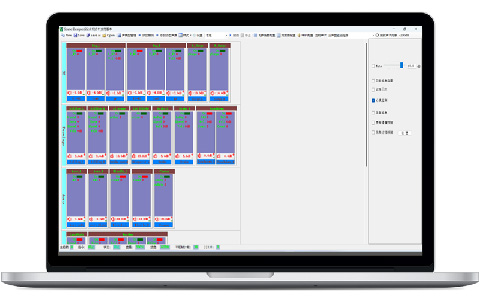
Powered by physical acoustic modeling and dynamic parameter-driven technology, the system enables pilots to perceive flight status in real time through variations in sound spectra. Its sound effect fidelity matches the synchronization level of haptic feedback, greatly enhancing training immersion.
Its core strength lies in the integration
of real-time data processing capacity and high-precision physical acoustic
simulation. The modular architecture delivers end-to-end collaboration from
parameter input to multi-device output.

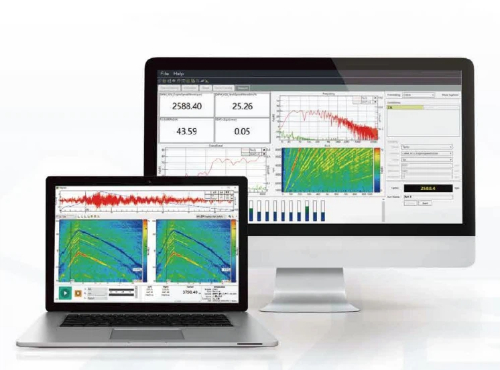
Dynasound mainly consists of three major components: data integration, algorithm processing and output distribution.
■ Data Integration
The interface control module receives simulated flight data from external systems in real time, while retrieving acoustic characteristic models of corresponding mechanical components from the audio database to form a multi-dimensional input dataset.
■ Algorithm Processing
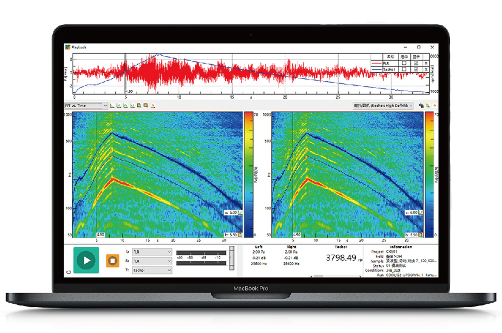
Adopting a layered algorithm framework, sound field reconstruction is performed based on real-time flight parameters, including acoustic feature synthesis, spatial effect simulation, dynamic loudness control and other functions.
■ Output Distribution
Multi-channel audio streams undergo
protocol conversion and routing allocation via the output control module, and
are finally distributed to each physical terminal in accordance with preset
configurations to achieve accurate reconstruction of multi-channel spatial
sound fields.



 Please leave your contact information, and we will get back to you as soon as possible!