






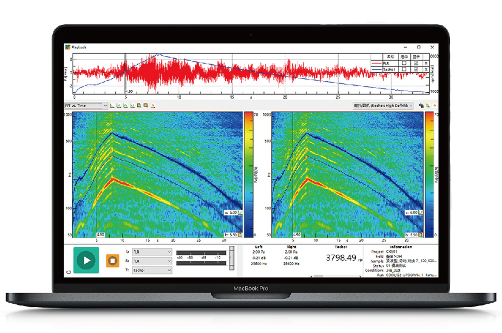
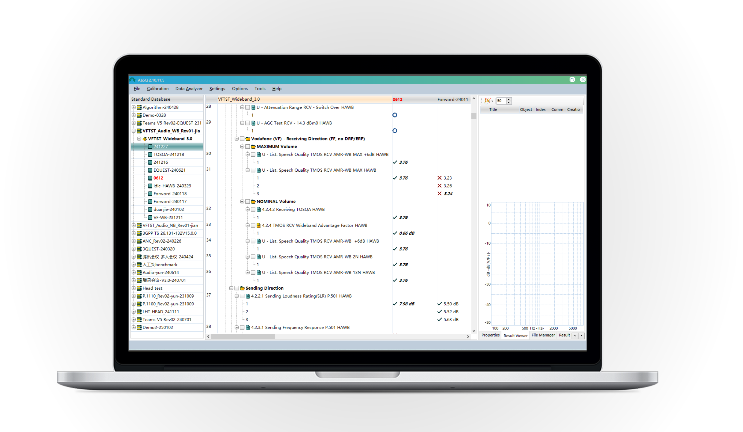
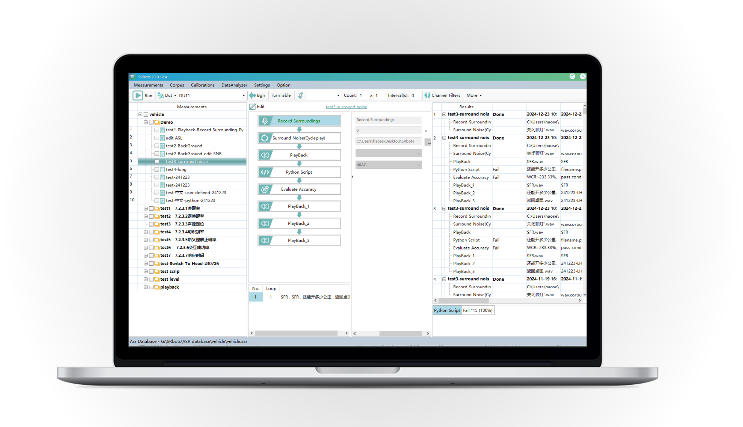
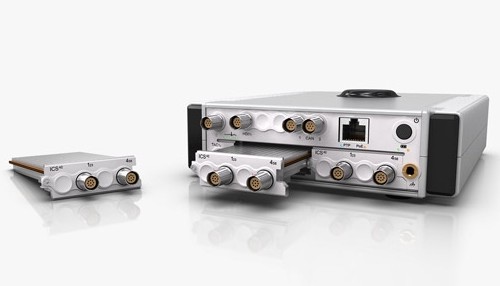
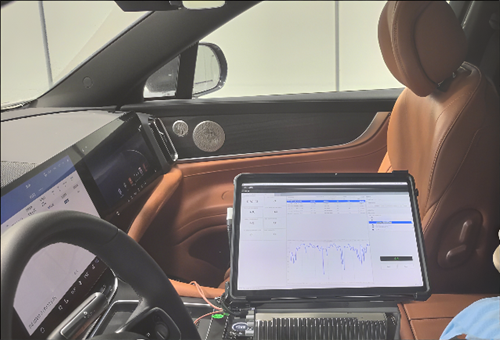
As an ideal modern NVH testing system, ATOM Analyzer establishes a seamlessly connected and highly collaborative workflow. Starting with efficient data acquisition, it supports a variety of data acquisition hardware and enables multi-channel signal collection of diverse data types. The NVH testing workflow is tightly integrated with data management, linking channel configuration, acquisition settings, and analysis parameters, while enriching datasets with comprehensive attribute information. This ensures data traceability and standardization right from the source. On this basis, the system provides convenient data integration capabilities, easily aggregating multi-dimensional data from different test projects, vehicle model batches, and even simulations, laying a solid foundation for in-depth analysis.
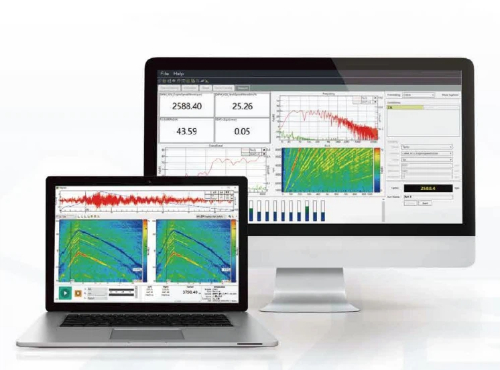
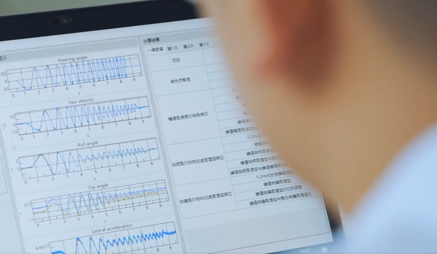
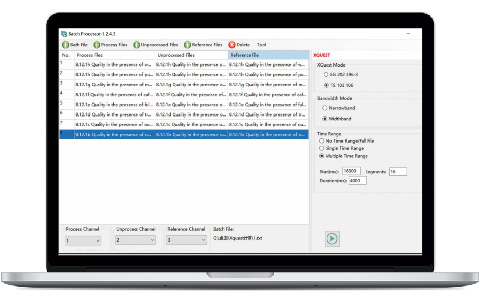
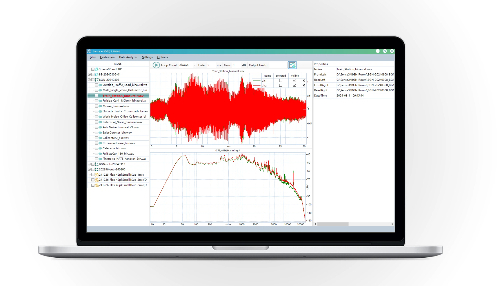
With its feature-rich data visualization tools, ATOM Analyzer offers users a wide range of interactive display methods, including time-domain waveforms, frequency spectra, order slices, and 3D colormaps, allowing engineers to intuitively and rapidly identify and analyze NVH issues. The system integrates professional data calculation algorithms, ranging from classic FFT analysis and slice analysis to advanced psychoacoustic calculations and modal analysis. Users can efficiently complete tasks through powerful data processing utilities such as batch processing, cached data operations, array comparison, page organization, and automatic report generation. This enables engineers to focus valuable manpower and time on core tasks: problem analysis, fault diagnosis, and optimization innovation, greatly improving the efficiency and quality of the entire NVH R&D process.
ATOM continuously evolves to meet the practical needs of global users. In January 2026, LANDTOP Technology released ATOM Analyzer 7.5, the latest version of our vibration and noise testing and analysis software.
The new release not only optimizes the performance of all modules but also adds key new functions: geometric modeling, modal analysis, and sound quality calculation based on auditory models.
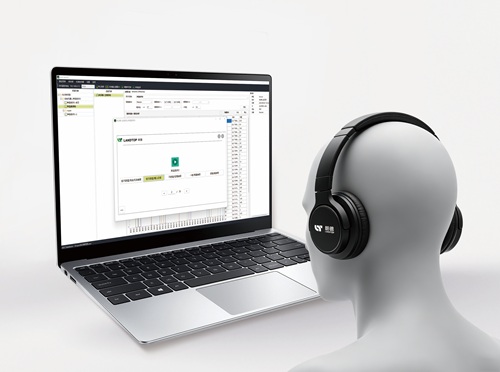
In ATOM Analyzer 7.5, users can perform the full workflow of modal-related testing and analysis, from geometric modeling to FRF testing and modal analysis (PolyMax). The introduction of sound quality calculation based on auditory models has significantly expanded ATOM’s arsenal of psychoacoustic analysis capabilities.





 Please leave your contact information, and we will get back to you as soon as possible!